Find the difference
Identify the key differences from existing approaches.
 Patent Drafting & Filing Strategy
TEAM-E / PATENT SERVICES
You know the technology. Let's explain the invention.
Turn drawings, prototypes and practical knowledge into clear patent content.
Hong Kong · Mainland China · Overseas markets
The inventor's challenge
Turn disconnected details into a clear technical account.
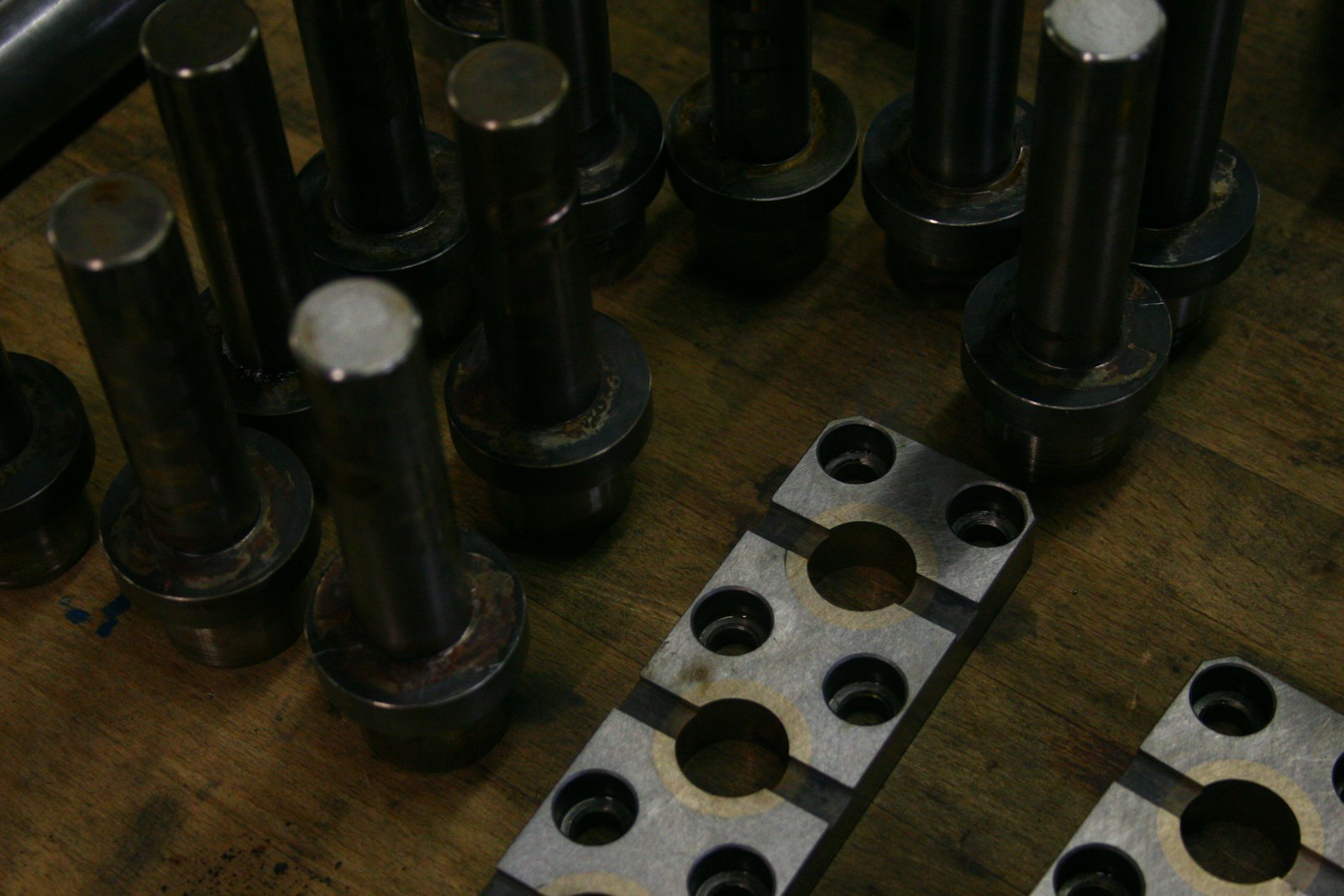
“It works. But what is the inventive core?”
Patent drafting
Innovation, claim scope and technical disclosure must work together.
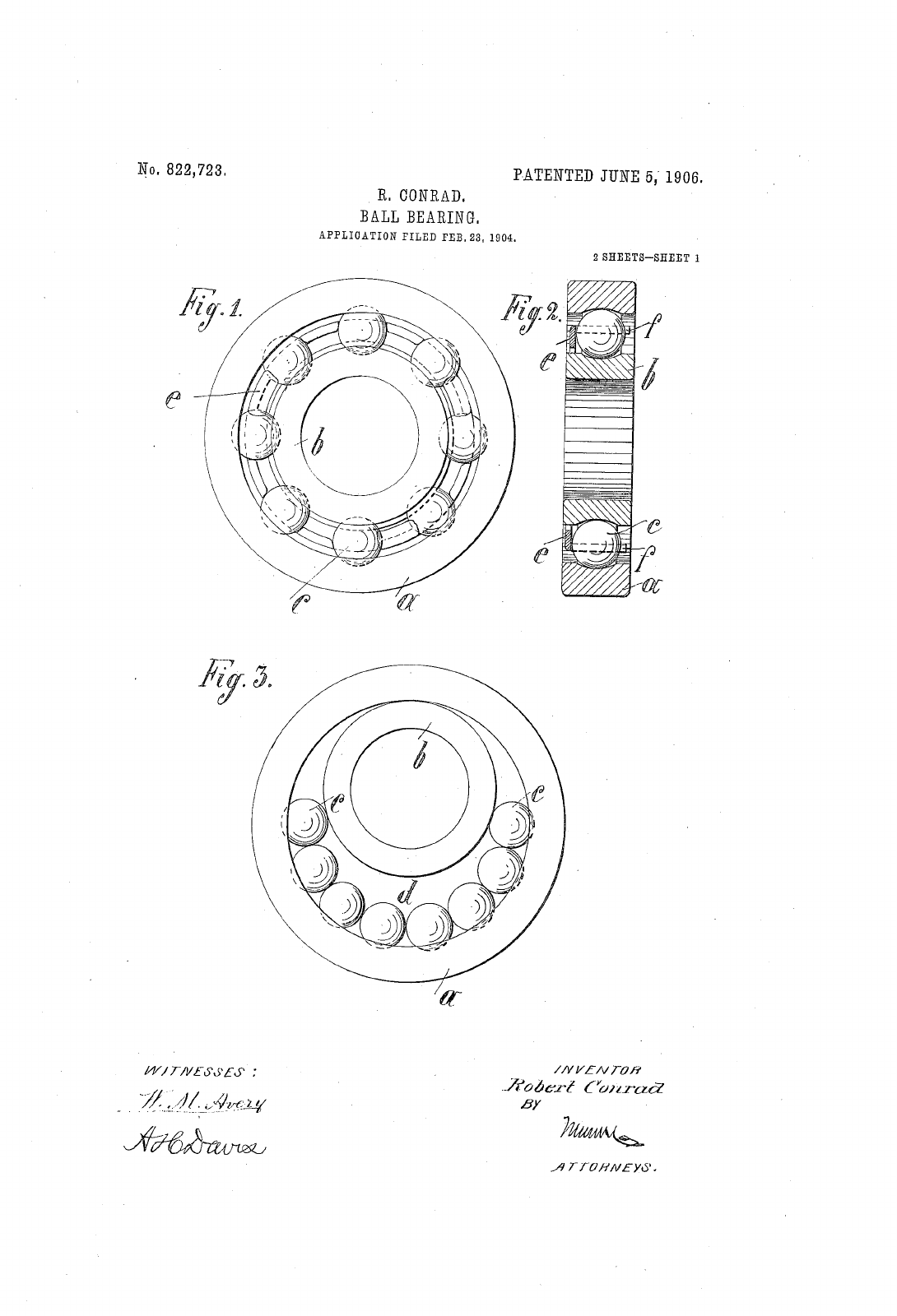
Identify the key differences from existing approaches.
Balance your protection goals with technical support.
Connect the claims, description and drawings.
From result to mechanism
“The device is more stable.”Which structure reduces movement?
Illustrative discussion, not a claim from the pictured patent.
Filing strategy
Align your technical investment with your business goals.
Core technology, a key component or a manufacturing method?
Coordinate development, public disclosure and launch.
Prioritise manufacturing, sales and competitive markets.
Consider drafting, filing and ongoing costs together.
Start with understanding
Share its purpose, the problem and your progress.
Organise key features and differences to verify.
Confirm the work, filing direction and quotation.
Start with the technical field, the problem and your current progress. Whether there is enough information for assessment or drafting depends on the technology and needs to be confirmed.
Use the engineering or product language you know. The first goal is to explain the problem, the approach and the result, not to write in patent format.
Clarify manufacturing, sales and partnership plans first. Filing locations, priorities, budget and specific arrangements can then be discussed case by case.
TEAM-E / LET'S TALK
Tell us its purpose, the problem and your current progress. Then discuss what needs to be clarified next.
Begin with a non-confidential overview and confirm communication and confidentiality arrangements first.
Do not send unpublished core technical details, complete drawings or trade secrets in an initial WhatsApp enquiry.
WhatsApp Customer Support Privacy Notice